Is your industrial setup truly optimized, or does it just look the part? In today’s energy landscape, high-performance infrastructure goes far beyond raw materials. It’s about how steel integrates with digital intelligence to reduce waste, prevent failures, and support the low-carbon transition. The next generation of tubular systems isn’t just built to last – it’s designed to think. And that shift is redefining efficiency across sectors.
The evolution of smart tubular solutions in energy
Bridging steel and digital intelligence
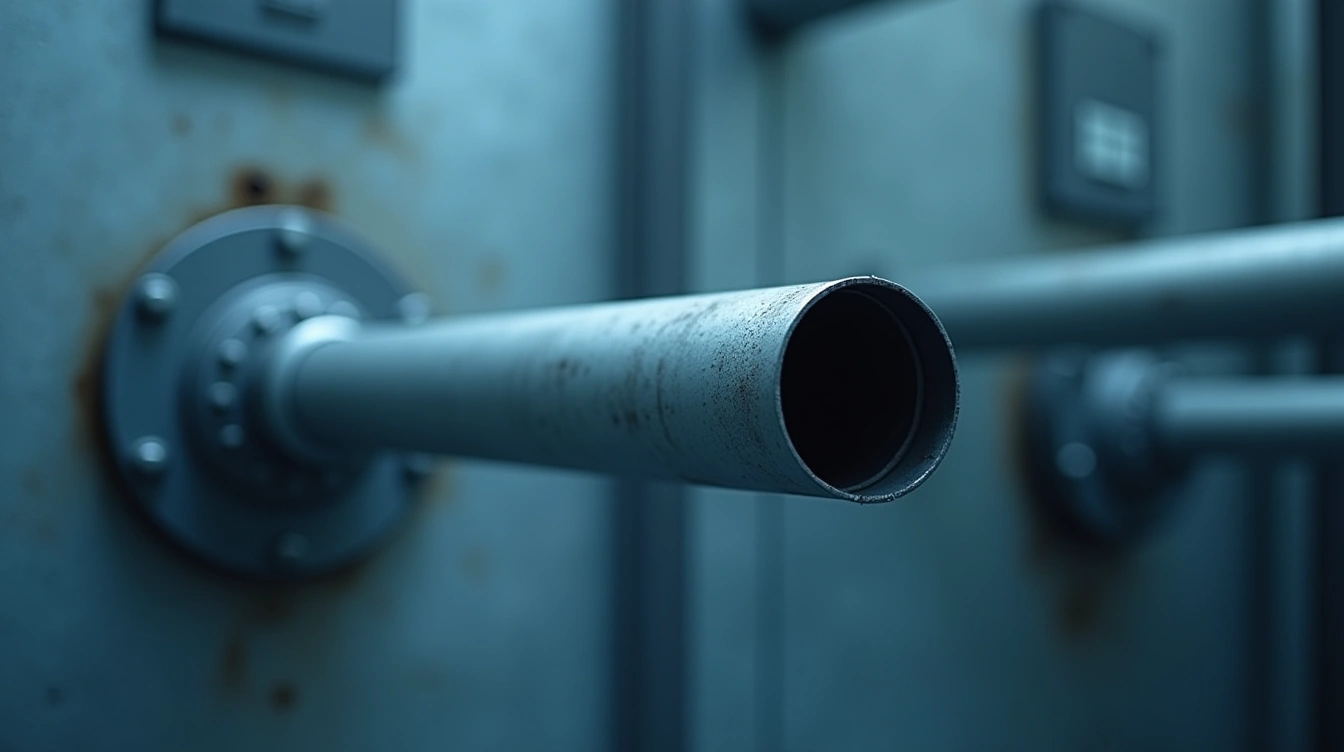
Gone are the days when steel tubes were passive components in energy systems. Today’s advanced tubular solutions embed micro-sensors directly into the material, allowing continuous monitoring of pressure, temperature, and structural fatigue. This integration transforms pipes into active data sources, enabling engineers to detect anomalies before they escalate. The result? A move from reactive fixes to predictive maintenance, drastically cutting unplanned downtime in critical operations.
Additional reading : How Can UK Businesses Foster Sustainable Growth in the Current Economic Climate?
For teams needing detailed technical specifications or real-world implementation guides, comprehensive resources – including schematics and digital integration protocols – are available through industry leaders at https://www.vallourec.com/. These tools help bridge the gap between traditional engineering and smart infrastructure.
Optimizing industrial floor space
Modern energy sites, especially in urban or offshore environments, operate under tight spatial constraints. That’s where compact, high-integrity designs make a difference. Seamless steel tubes with premium connections minimize the operational footprint while maintaining full performance under extreme conditions. By reducing the need for bulky support systems and secondary safety layers, these solutions free up valuable space – a crucial advantage in complex installations. Côté pratique, this means easier access for maintenance and more efficient site layouts without compromising safety.
In parallel : How Can Small Businesses in the UK Innovate to Thrive in a Competitive Market?
Comparing performance across energy sectors

| ⚙️ Energy Sector | 🔧 Main Challenge | 💡 Smart Solution Benefit |
|---|---|---|
| Oil & Gas | Extreme pressure and corrosive environments | Real-time corrosion tracking and leak-proof integrity via VAM connections |
| Geothermal | High-temperature cycling and deep drilling stress | Enhanced fatigue resistance and remote condition monitoring |
| Hydrogen Storage | Hydrogen embrittlement and ultra-high pressure sealing | Specialized alloys and sensor-embedded joints for long-term safety |
AI-driven analytics for predictive maintenance
Real-time monitoring capabilities
One of the biggest gains in smart tubular systems is the ability to monitor conditions without human intervention. Sensors embedded in the tube walls relay data continuously, eliminating the need for manual inspections in hazardous zones. This isn’t just about convenience – it’s a safety upgrade. Engineers can access dashboards showing pressure fluctuations or micro-leak trends across hundreds of kilometers of pipeline, all in real time.
Extending infrastructure lifespan
AI algorithms analyze the incoming data to identify patterns linked to material fatigue. By forecasting potential failure points months in advance, these systems allow for targeted maintenance rather than wholesale replacements. That’s where the real cost savings kick in: delaying major overhauls while maintaining peak performance. Over time, this approach supports the low-carbon transition by maximizing the utility of existing assets and reducing the environmental impact of manufacturing new components.
You might wonder – does this kind of intelligence actually hold up under field conditions? The answer, based on current deployments, is yes. Systems are designed to operate reliably in remote or harsh environments, with redundant communication protocols ensuring data continuity.
Data security in industrial IoT
With connectivity comes responsibility. Industrial data networks must protect sensitive operational information from cyber threats. That’s why modern smart tubular systems use encrypted, closed-loop communication channels. These protocols ensure that while data flows freely to authorized personnel, it remains isolated from broader corporate networks. For mission-critical infrastructure, this balance between accessibility and security is non-negotiable.
Hydrogen storage and transport challenges
The high-pressure requirement
Hydrogen molecules are notoriously difficult to contain. Their small size and reactivity demand superior sealing and resistance to embrittlement. Standard piping often fails under repeated pressurization cycles, leading to micro-cracks and leaks. Smart tubular solutions address this with advanced alloys and precision-engineered connections that maintain leak-proof integrity even after thousands of cycles. These systems are increasingly part of turnkey storage setups, where safety and efficiency go hand in hand.
Partnerships for innovation
No single company holds all the answers. That’s why collaborations – like recent joint initiatives between engineering firms and energy specialists – are accelerating progress in hydrogen infrastructure. By combining expertise in materials science, digital monitoring, and system integration, these partnerships deliver holistic solutions. Hollow sections designed for hydrogen grids, for example, now integrate both structural resilience and sensor networks, paving the way for scalable clean energy distribution.
Core benefits of digital innovation in piping
- 📉 Reduced downtime: Predictive alerts prevent sudden failures, keeping operations running smoothly
- 🌍 Environmental protection: Early leak detection minimizes emissions and avoids regulatory penalties
- 🛡️ Enhanced safety: Remote monitoring reduces human exposure to high-risk zones
- 💰 Long-term cost efficiency: Fewer replacements and optimized maintenance schedules lower TCO
- ✅ Regulatory compliance: Built-in diagnostics help meet international safety and reporting standards
Future trends in sustainable engineering
Materials for the next decade
The next frontier in tubular technology lies in material science. Researchers are developing lighter, stronger steel alloys that maintain performance while reducing carbon intensity during production. These innovations aren’t just about durability – they’re about aligning manufacturing with sustainability goals. The challenge is balancing mechanical strength with a lower environmental footprint, and early prototypes suggest this trade-off is becoming less of a compromise and more of a synergy.
Global industrial footprints
Localization is gaining traction as a strategy to cut logistics emissions and improve response times. Companies with production facilities across multiple regions can deploy standardized smart systems while adapting to local regulations and conditions. This decentralized model also supports faster technical support and spare part availability, which is crucial during emergencies. Having a global footprint with regional agility turns resilience into a scalable asset.
Common questions about tubular energy solutions
What did early adopters say about the transition to sensor-integrated tubing?
Initial feedback highlighted a short learning curve for interpreting AI-driven analytics, but teams quickly valued the reliability gains and reduced emergency interventions. Operators noted improved confidence in long-term performance.
Is there an alternative for projects that cannot afford full digital integration?
Yes – high-grade mechanical connections without embedded sensors still offer excellent durability and safety. These solutions provide a solid foundation for future digital upgrades when budgets allow.
What happens after these smart tubes reach the end of their operational cycle?
The steel is fully recyclable, while sensors and electronic components are removed and processed according to industrial e-waste protocols, ensuring responsible decommissioning.
When is the ideal time to upgrade standard pipelines to smart systems?
The best window is during planned maintenance or capacity expansions, allowing seamless integration without disrupting ongoing operations.